An Insider’s Guide to Lisbon’s Neighborhoods
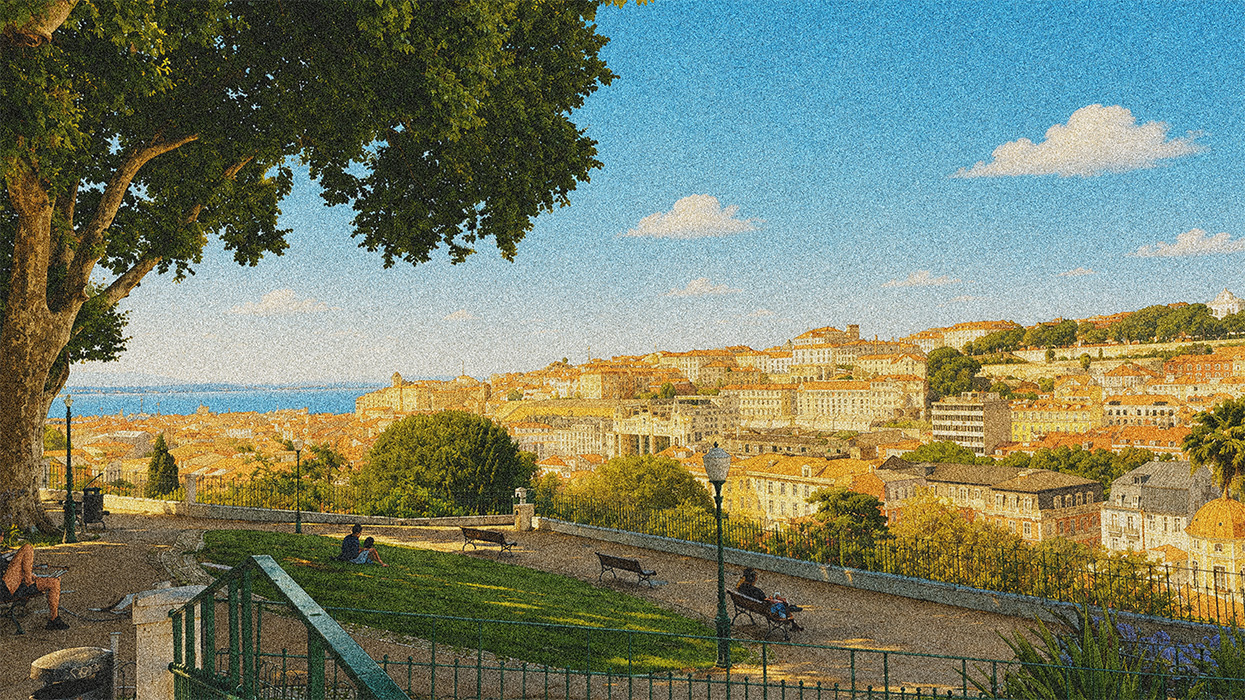
Lisbon is a city built on seven hills, but from a daily living perspective, it’s a patchwork of micro-cities. The moment you cross from one block to the next, the personality shifts entirely. You can move from a 250-year-old stone alley where neighbors chat across balconies to a wide, tree-lined modern boulevard where mid-century apartments feature the Holy Grail of Lisbon real estate: central heating and underground parking.
Choosing a neighborhood here goes far beyond the postcard aesthetic. It’s a calculation of budget, building quality, and daily transit realities. Lisbon’s real estate market has become one of the most competitive in Europe, and the price divergence between neighborhoods is staggering. If you don’t mind paying a steep premium to walk historic, vertical inclines every time you need a carton of milk, the heritage zones will charm you. But if you want to maximize square footage and secure flat terrain, quiet nights, and modern insulation, you’ll need to look a bit wider.
Here’s how the city actually lives, block by block.
1. Príncipe Real & Chiado: The Cosmopolitan Peak
This is Lisbon’s upscale, creative heartbeat. Chiado is the historic, elegant shopping and theater district, while Príncipe Real, sitting just up the hill, has evolved into the city’s trendiest residential enclave — grand palacetes, leafy plazas, and independent boutiques.
The Vibe: Chic, artistic, vibrant, and highly international.
The Construction: Beautifully restored 18th and 19th-century Pombaline townhouses. High, ornate ceilings, original wooden floors, and stunning architectural facades.
The Reality Check: You’ll pay a massive premium. These are historic preservation zones, so very few buildings have elevators or dedicated parking. Chiado is heavily touristed year-round, and weekend crowds in Príncipe Real mean busy sidewalks and noisy nightlife hubs.
Who it’s for: Couples and creatives who want a hyper-walkable lifestyle with world-class dining and galleries on their doorstep, and who don’t mind sacrificing modern building conveniences for old-world character.
2. Campo de Ourique & Estrela: Our Favorite Leafy Havens
If you ask long-term expats and established Portuguese families where they prefer to live, this is consistently the top answer. Campo de Ourique functions as a self-contained village within the city, while Estrela offers a quieter, aristocratic elegance anchored by one of the most beautiful public parks in Portugal.
Campo de Ourique: Remarkably flat for Lisbon, built on a gentle grid system. Famous for its covered market (Mercado de Campo de Ourique), endless pastry shops, and a fiercely independent neighborhood feel where local business owners know everyone by name.
Estrela: Bordering Campo de Ourique, quieter and more grand. Stately embassies, quiet residential streets, and the gorgeous, shady Jardim da Estrela, which serves as the neighborhood’s collective backyard.
The Vibe: Safe, family-oriented, traditional, and distinctly elegant.
The Construction: A solid mix of late 19th-century buildings and spacious mid-century apartments. Many properties feature hidden back patios or balconies.
The Reality Check: The Metro network is slowly expanding toward this area, but historically both neighborhoods have lacked direct subway access. Street parking is a daily logistical nightmare — if your apartment doesn’t come with a rented garage space, you’ll spend significant time circling the blocks.
Who it’s for: Families and slow-living urbanites who want an authentic, quiet Portuguese community lifestyle that still feels sophisticated and entirely connected to the city center.
3. Avenidas Novas & Alvalade: The Flat, Functional Grid
If your priorities are modern convenience, structural soundness, and transit ease, look north of the historic center. Avenidas Novas and Alvalade represent Lisbon’s 20th-century expansion, built to accommodate the city’s growing professional class.
The Vibe: Professional, organized, local, and spacious.
The Construction: Wide, tree-lined boulevards with mid-century and contemporary apartment complexes. Unlike the historic center, buildings here are built with concrete — significantly better acoustic insulation, central heating, elevators, and dedicated underground parking.
The Reality Check: These neighborhoods lack the romantic postcard charm of old Lisbon. The architecture can feel sterile in pockets, and the wide avenues mean standard city traffic noise.
Who it’s for: Professionals, digital nomads, and families who prioritize structural practicality, excellent subway connectivity, flat terrain for walking or strollers, and proximity to top-rated local schools.
4. Santos, Lapa & Alcântara: The Design, Embassy & Creative Belt
Positioned along the Tagus River to the west of downtown, this stretch offers a fascinating mix of diplomatic prestige, industrial-chic creativity, and trendy design energy.
Lapa: Lisbon’s traditional diplomatic quarter. An incredibly quiet, prestigious hillside pocket of grand palaces, foreign embassies, and manicured private gardens. Highly secure and peaceful.
Santos: Known as the Santos Design District, a trendy hub of design schools, architecture firms, and international restaurants. It’s evolved from a nightlife strip into a creative neighborhood, though weekend noise is still a factor.
Alcântara: Sitting directly under the 25 de Abril Bridge, an industrial-chic waterfront area home to the famous LX Factory — a creative mini-city of converted warehouses housing restaurants, bookstores, and startups.
The Reality Check: The train tracks running along the river act as a physical barrier to the waterfront. Santos has noisy student nightlife on weekends, and parts of Alcântara get the constant low hum of bridge traffic overhead.
Who it’s for: Lapa is perfect for quiet, high-security elegance. Santos and Alcântara are ideal for young professionals, creatives, and entrepreneurs who want a gritty, energetic riverside lifestyle.
5. Alfama, Graça & Mouraria: The Historic Slopes
This is the historic heart of Lisbon — the medieval quarters that survived the Great Earthquake of 1755. It’s the Lisbon of winding stone steps, hanging laundry, historic yellow trams, and the melancholic echo of Fado.
The Vibe: Deeply traditional, sensory, romantic, and intensely touristed.
The Construction: Centuries-old stone buildings, incredibly narrow vertical apartments, winding staircases, and irregular layouts.
The Reality Check: From a daily living perspective, these neighborhoods are challenging. Most streets are closed to cars, meaning you’ll be carrying groceries up steep, slippery stone steps. The buildings are notoriously damp, cold, and poorly insulated in winter, and the constant influx of tourists and tuk-tuks makes privacy hard to find.
Who it’s for: Hardcore historic purists and short-term residents who want total immersion in old-world Europe and don’t mind sacrificing modern comforts and quiet to get it.
6. Marvila & Beato: The Emerging East
If you want to know where Lisbon is heading, look east. Marvila and Beato are former industrial waterfront neighborhoods now filling with breweries, art galleries, creative studios, and the massive Hub Criativo do Beato. Think early-stage Williamsburg or Arts District LA — prices are still lower than the center, the river views are spectacular, and the transformation is happening fast.
The Vibe: Raw, creative, industrial, and rapidly evolving.
The Reality Check: Still patchy. Some blocks are beautifully revitalized; others are untouched and rough around the edges. Transit connections are improving but not yet as strong as the center. This is a bet on the future, not a finished product.
Who it’s for: Creatives, investors, and early adopters who want to get in before the prices catch up to the rest of the city.
7. Parque das Nações: The Modern Waterfront
Rebuilt entirely for the ’98 World Expo on the eastern edge of the city, Parque das Nações is a hyper-modern, flat, waterfront district that feels completely detached from the rest of Lisbon.
The Vibe: Futuristic, clean, highly organized, and peaceful.
The Construction: Contemporary steel-and-glass high-rises with premium energy ratings, double-glazed windows, large balconies, elevators, and secure garages.
The Reality Check: Zero old-world Portuguese character. If you want cobblestones and historic charm, you’ll dislike it here. It feels more like a modern district in Barcelona or Miami than traditional Lisbon. But it’s connected via the Red Metro line and sits close to the airport.
Who it’s for: Families, executives, and retirees who demand top-tier modern construction, total accessibility, flat waterfront boardwalks, and immediate proximity to the airport.
8. Benfica, Carnide & Lumiar: The Northern Residential Belt
Head north past the center and you reach Lisbon’s residential backbone — the neighborhoods where a large portion of Portuguese families actually live. Benfica anchors the area around the Luz stadium and the massive Colombo shopping center. Carnide retains a village feel with a charming historic core. Lumiar is more modern and suburban, with newer apartment stock.
The Vibe: Residential, practical, local, and unpretentious.
The Reality Check: Not glamorous. You won’t find the architectural romance of the center or the ocean views of the coast. But these neighborhoods are well-connected by metro, well-served by hospitals and schools, and significantly more affordable than anything south of Marquês de Pombal.
Who it’s for: Families and professionals who prioritize space, affordability, and daily practicality over postcard aesthetics. If you’re raising kids and need a large apartment near good schools without breaking the budget, start here.
At a Glance
Lisbon lets you choose your own adventure. You can live in a modern, climate-controlled apartment with a river view on Monday, buy fresh produce from a neighborhood market on Wednesday, and spend your weekend on a terrace in Príncipe Real. Finding your place here is about deciding which daily realities you’re willing to embrace and which modern conveniences you refuse to live without.
Want to understand the sun exposure, the building quality, and the real transit picture for a specific Lisbon street? Let’s map out your neighborhood search together.
.
