An Insider’s Guide to Porto’s Neighborhoods
Porto is a delightfully compact city, but don’t let its size fool you. The moment you cross from one block to the next, the personality shifts entirely. You can move from a 300-year-old granite alleyway filled with the scent of charcoal-grilled sardines to a leafy, high-end neighborhood where the Douro River spills into the open Atlantic.
When you’re looking to plant roots here, choosing a neighborhood (bairro) isn’t just about proximity to downtown — it’s about matching your daily life to a specific rhythm, architecture, and microclimate. Here’s an honest, lived-in breakdown of Porto’s primary neighborhoods.
1. Cedofeita & Miguel Bombarda: The Creative Sweet Spot
If you want an urban lifestyle but want to avoid the direct glare of the tourist epicenters, Cedofeita is where you look. This neighborhood balances traditional Portuguese daily life with vibrant creative energy. At its heart sits the Rua de Miguel Bombarda, Porto’s famous arts district, packed with contemporary art galleries, independent boutiques, vegan cafés, and vintage clothing stores.
The Vibe: Trendy, independent, creative, and pedestrian-friendly.
The Construction: A mix of beautifully restored 19th-century townhouses and mid-century apartments. Many streets feature traditional azulejo (tile) facades.
The Reality Check: Highly sought-after by young professionals and international expats, which means prices have risen sharply. Streets are narrow, so parking your car can be a daily puzzle.
Who it’s for: Digital nomads, creatives, and couples who want a hyper-walkable lifestyle, great coffee shop culture, and proximity to downtown without the late-night bar noise.
2. Foz do Douro, Nevogilde & Aldoar: The Oceanfront Luxury Belt
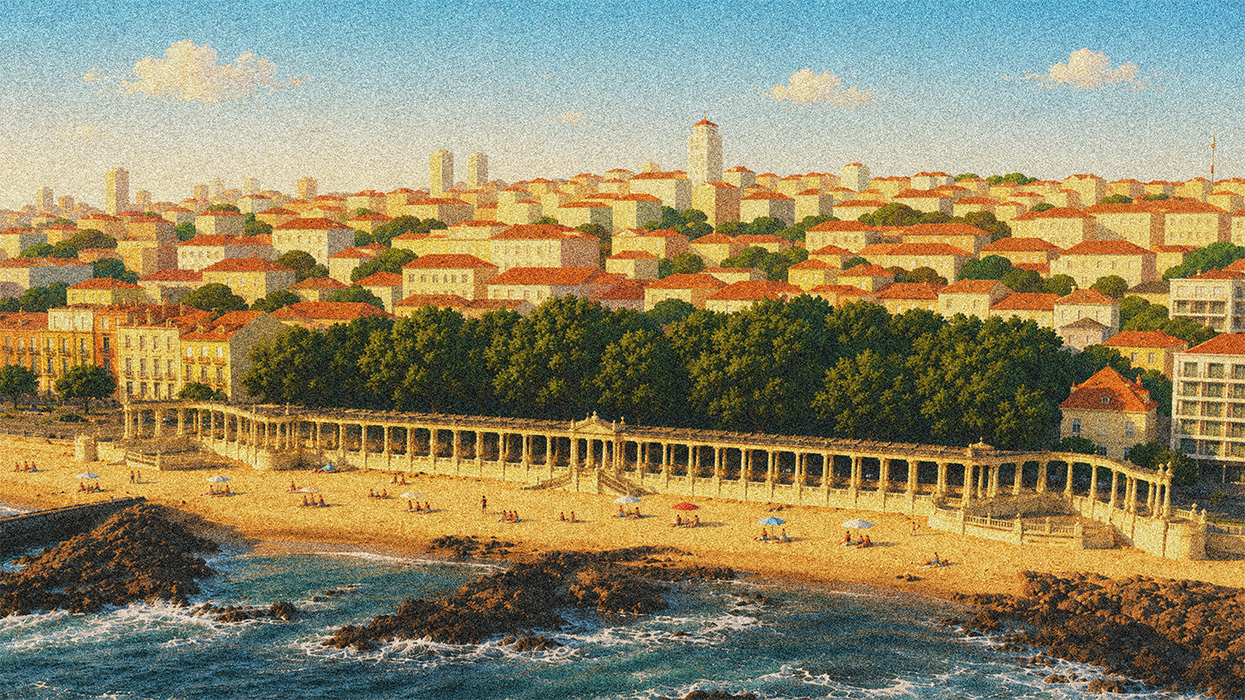
Officially grouped together as one parish, this westernmost edge of the city is Porto’s premier luxury area. Foz do Douro brings historic seaside charm; Nevogilde and Aldoar complete the picture of premium neighborhood living.
Foz do Douro: The historic seaside village turned resort enclave, famous for its beachfront boardwalks, trendy coastal bistros, and older maritime chalets.
Nevogilde: Porto’s quiet “Billionaire’s Row.” Tucked just behind the oceanfront, it’s an ultra-exclusive, deeply private residential pocket characterized by massive single-family villas, manicured lawns, high walls, and quiet, tree-lined streets.
Aldoar: Sitting slightly further inland, Aldoar trades the immediate sea breeze for the lush greenery of Parque da Cidade (Porto’s massive city park). A highly practical, upscale residential haven that feels deeply connected to nature.
The Reality Check: This is the most expensive real estate bracket in the city. It’s also not connected to the main Porto Metro network (relying instead on buses, cars, or the vintage tram). Winters here are visibly damp, windy, and prone to Atlantic sea fog.
Who it’s for: Families, executives, and retirees who demand privacy, spacious layouts, morning runs by the park or ocean, and proximity to the city’s top private international schools (like CLIP or the Oporto British School).
3. Bonfim, Marquês, Paranhos & Areosa: The Authentic East
Head east and northeast from the city center, and you hit a massive, authentic slice of Porto that blends a rising creative scene with local residential stability and the city’s main student engine.
Bonfim: The artistic anchor of the east. Once a quiet, working-class district, it has transformed into a trendy hub filled with specialty coffee shops, sourdough bakeries, and indie art spaces, all while keeping its traditional older residents.
Marquês: Centered on a beautiful, historic park plaza and its iconic church, Marquês serves as the grand gateway between downtown and the northern neighborhoods. A bustling, highly traditional transit and residential hub with excellent local commerce.
Paranhos: Porto’s Pólo Universitário (university district). A high-energy area populated by students, professors, and medical professionals working at the major São João hospital hub.
Areosa: Sitting on the northeastern edge where Paranhos meets neighboring municipalities, Areosa is a predominantly local, functional residential crossroads. It lacks the historic romanticism of downtown but offers excellent practical amenities and strong affordability.
Who it’s for: Investors looking for high-yield student rentals, young families seeking better value per square meter, and anyone who wants a highly connected, authentic community entirely independent of the tourism economy.
4. Boavista & Ramalde: The Modern Core
If your priority is modern convenience, smooth logistics, and architectural space, Boavista is the city’s central nervous system. Centered around the massive Rotunda da Boavista and dominated by the iconic, futuristic Casa da Música concert hall, this area serves as both a business district and a premium residential hub.
The Vibe: Professional, organized, upscale, and hyper-connected.
The Reality Check: Boavista lacks the postcard-perfect, romantic charm of old Porto. It can feel a bit corporate during the workweek, and the wide avenues mean standard city traffic noise.
Who it’s for: Families and professionals who value structural practicality, easy highway access for weekend trips, excellent metro connectivity, and spacious, well-insulated modern apartments.
5. Baixa & Ribeira: The Historic Center
This is the Porto you see on the postcards — the UNESCO World Heritage historic core. Ribeira clings to the riverbanks, while Baixa covers the historic upper town around the Clérigos Tower and São Bento Station.
The Vibe: High-energy, touristy, breathtakingly beautiful, and loud.
The Reality Check: From a daily living perspective, Baixa and Ribeira are challenging. The area is packed with tourists year-round, short-term rentals are dense, and the nightlife around the Galerias de Paris stays loud until dawn. Many buildings are centuries old, meaning poor insulation, no central heating, and rarely an elevator.
Who it’s for: Investors looking for prime commercial footprints, or short-term residents who want to step out their front door and immediately soak in the raw historical energy of the city.
At a Glance
Want help understanding the micro-communities, the sun exposure, and the architectural realities of Porto’s streets? Let’s map out your neighborhood search together.
